Adventures In Glorious Pepper
As an Amazon associate, I may earn a small commission if you navigate to Amazon from my site and buy something. This will not result in an extra cost to you.
Thanksgiving meals are pretty much a set menu in my family. There might be a few variations here and there, but largely, it’s turkey, cranberry sauce, mashed potatoes, biscuits, salad, and pumpkin pie. But Christmas dinner is a whole different ballgame. We’ve had turkey again. We’ve had ham. For a few years, my mother floated the idea of a traditional Christmas goose, but even she had to admit that just because something was traditional didn’t mean it tasted good. And we’ve had prime rib.
I don’t eat much beef these days. I don’t hate it but I don’t love it like I used to. And prime rib in particular I’d be perfectly happy to never eat again; there is so much fat in that meat that I always come away from even a modest serving feeling vaguely ill. And then there’s the price. I almost got chest pain when my mother told me she’d paid upward of $80 for a roast for Christas dinner. There’s just no meat in the world that tastes that good!
Okay, my middle class upbringing might be showing a little there, but I’m not ashamed of it. That is too much money to pay for a single cut of beef for one meal. So a few years ago, I introduced my family to a much more economical alternative, which I like to call Peppery Tri-Tip Roast, which I adapted from a recipe I found on the interwebs. And boy, is it peppery!
Now, I’m not a huge fan of super-spicy or hot foods. I like flavor, but I can live without the heat that often accompanies strong flavors. Pepper does fall into that category; a little is good in almost any savory meal, but too much is…well, too much. But this recipe really made me reconsider.
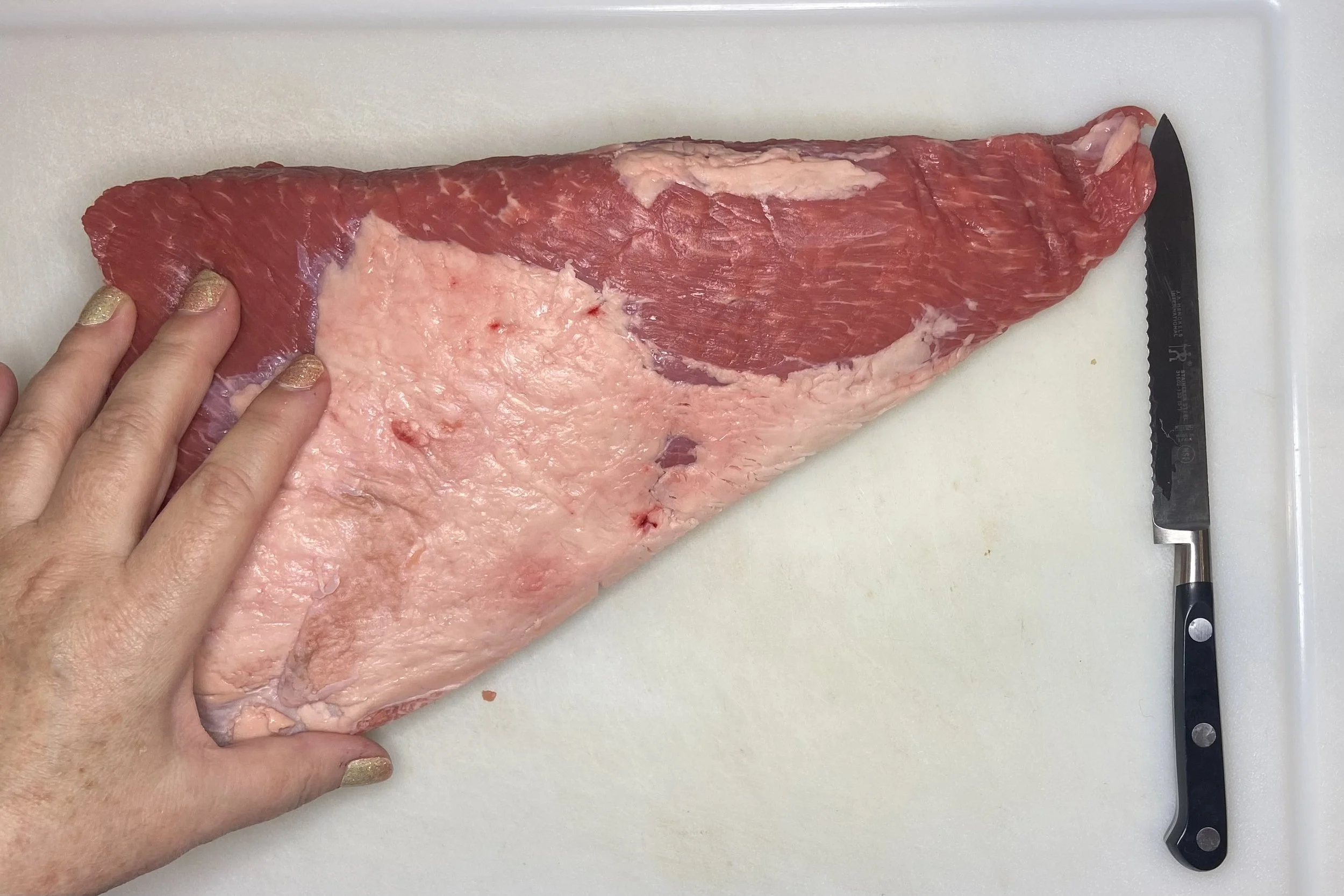
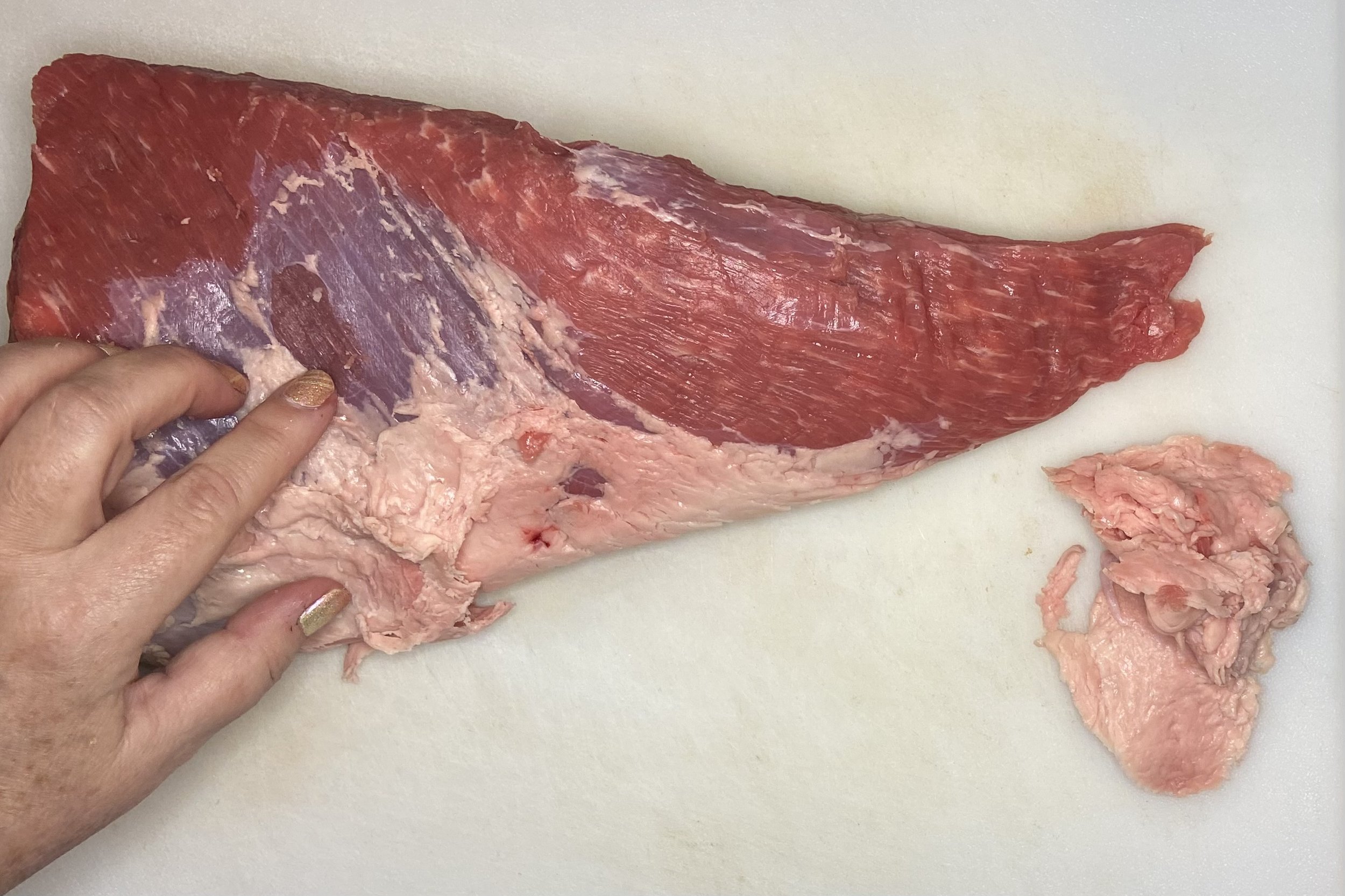
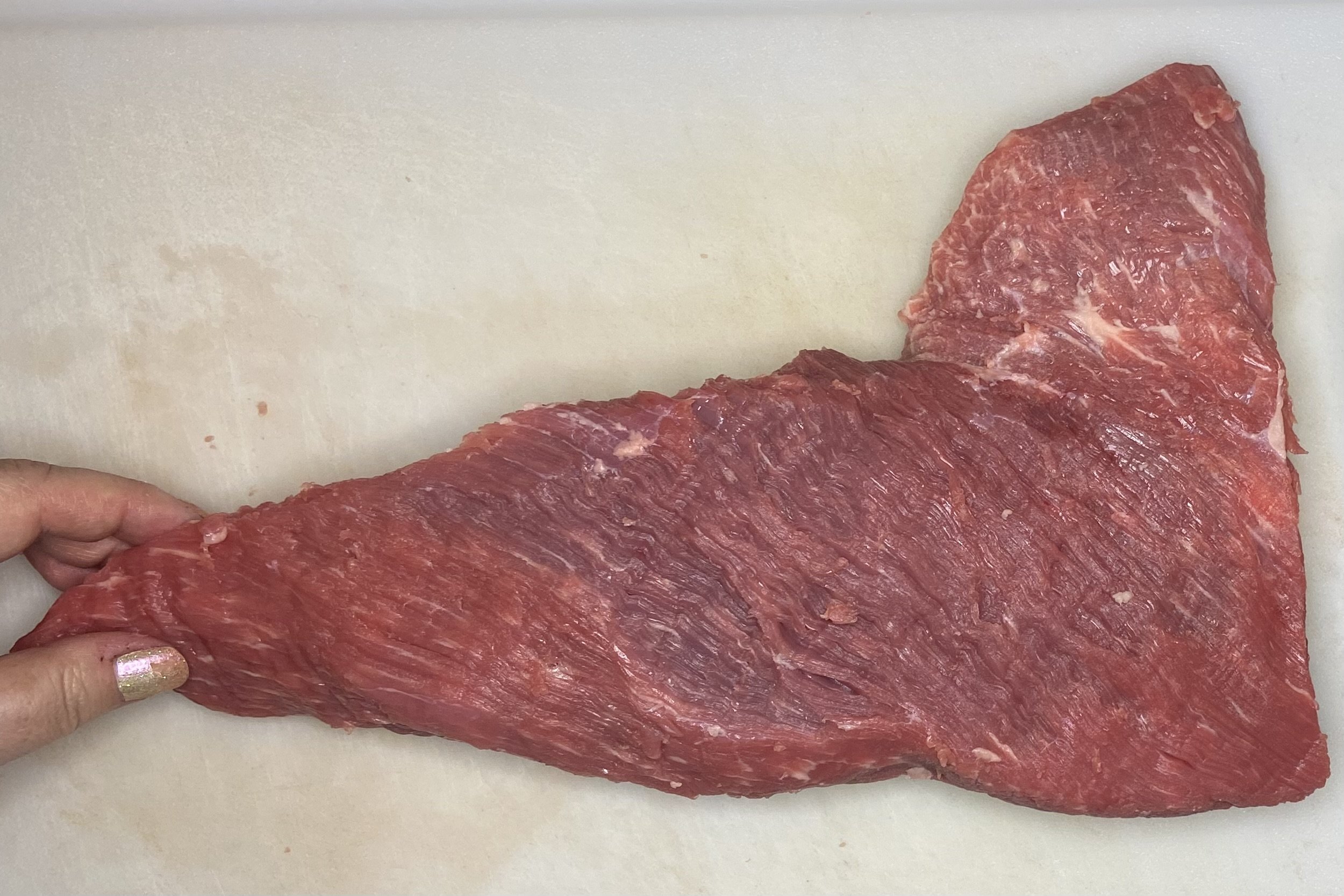
Start with a 3 pound tri-tip roast. Yes, I know that beef is currently quite expensive, and in fact, I paid over $35 for the roast I bought for this blog post. But that’s still much less money than one would pay for prime rib. The roast needs to be carefully trimmed. By that, I mean, remove all visible surface fat, and also remove the silvery skin that will be visible on at least some of the roast. Generously salt all surfaces of the meat.
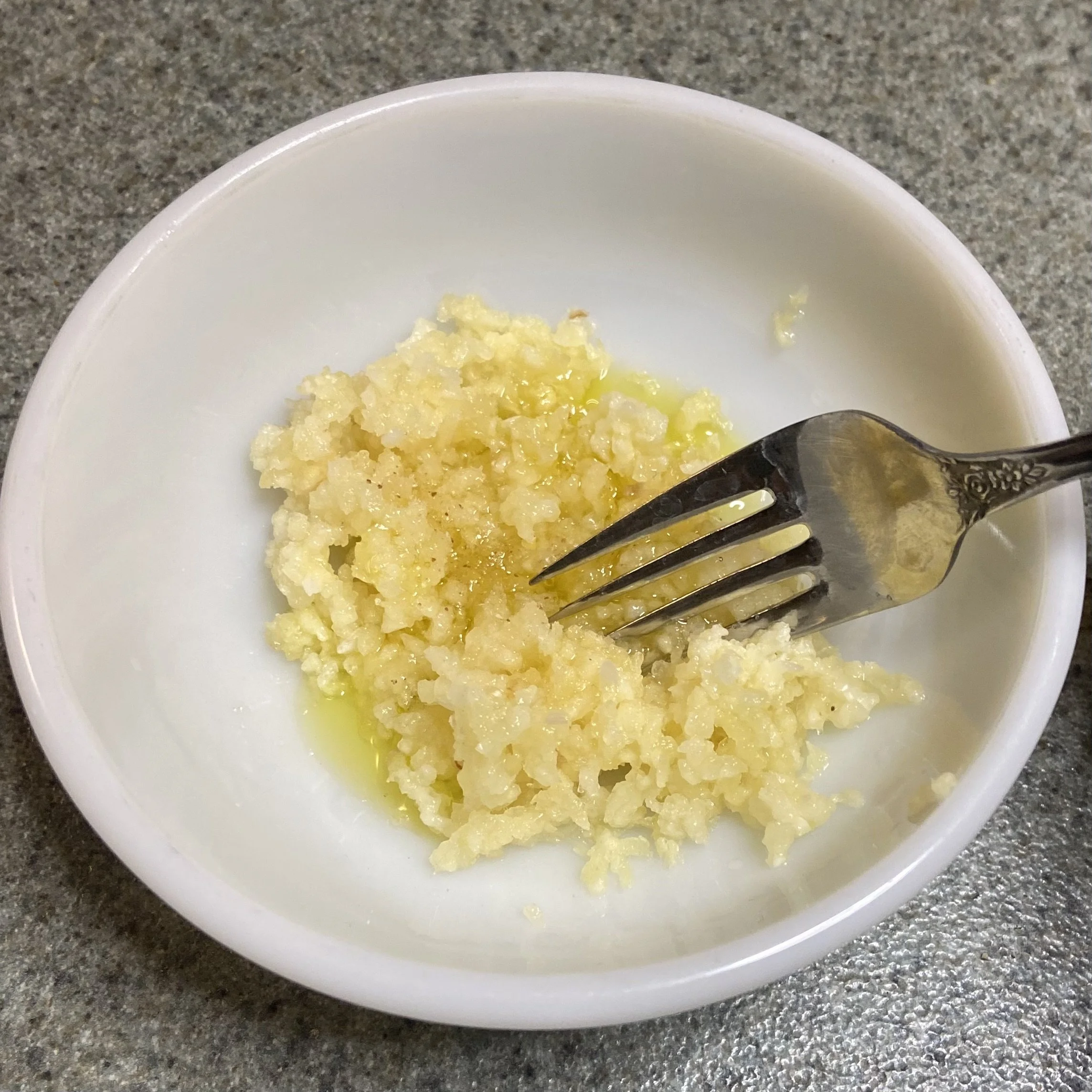
Next, you’ll work on your rubs. Take a whole head of garlic (at least 10 cloves) and press each clove through a garlic press into a small bowl. Add a generous pinch of salt and olive oil and mix it all together. With luck, it will be a sort of paste-like consistency.
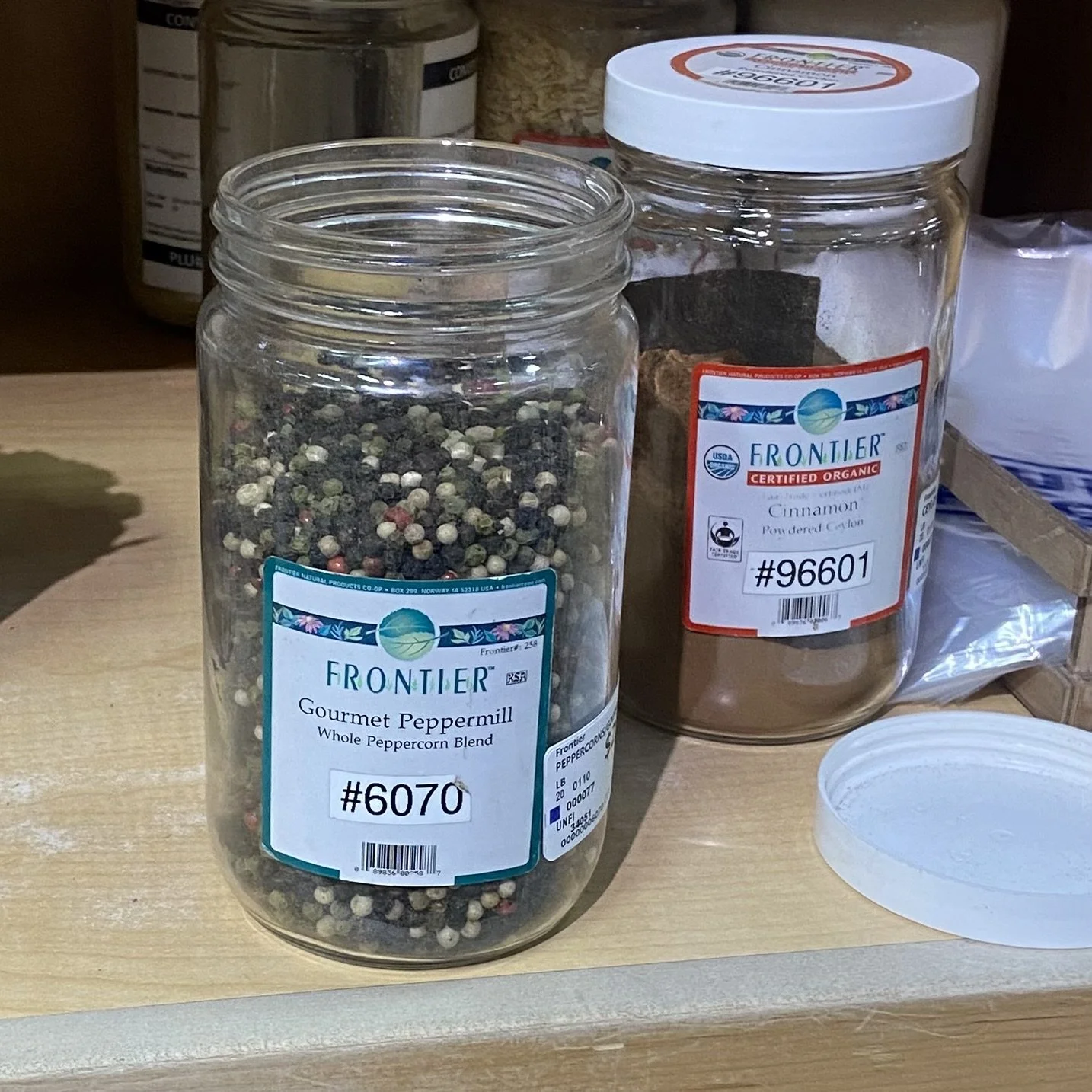
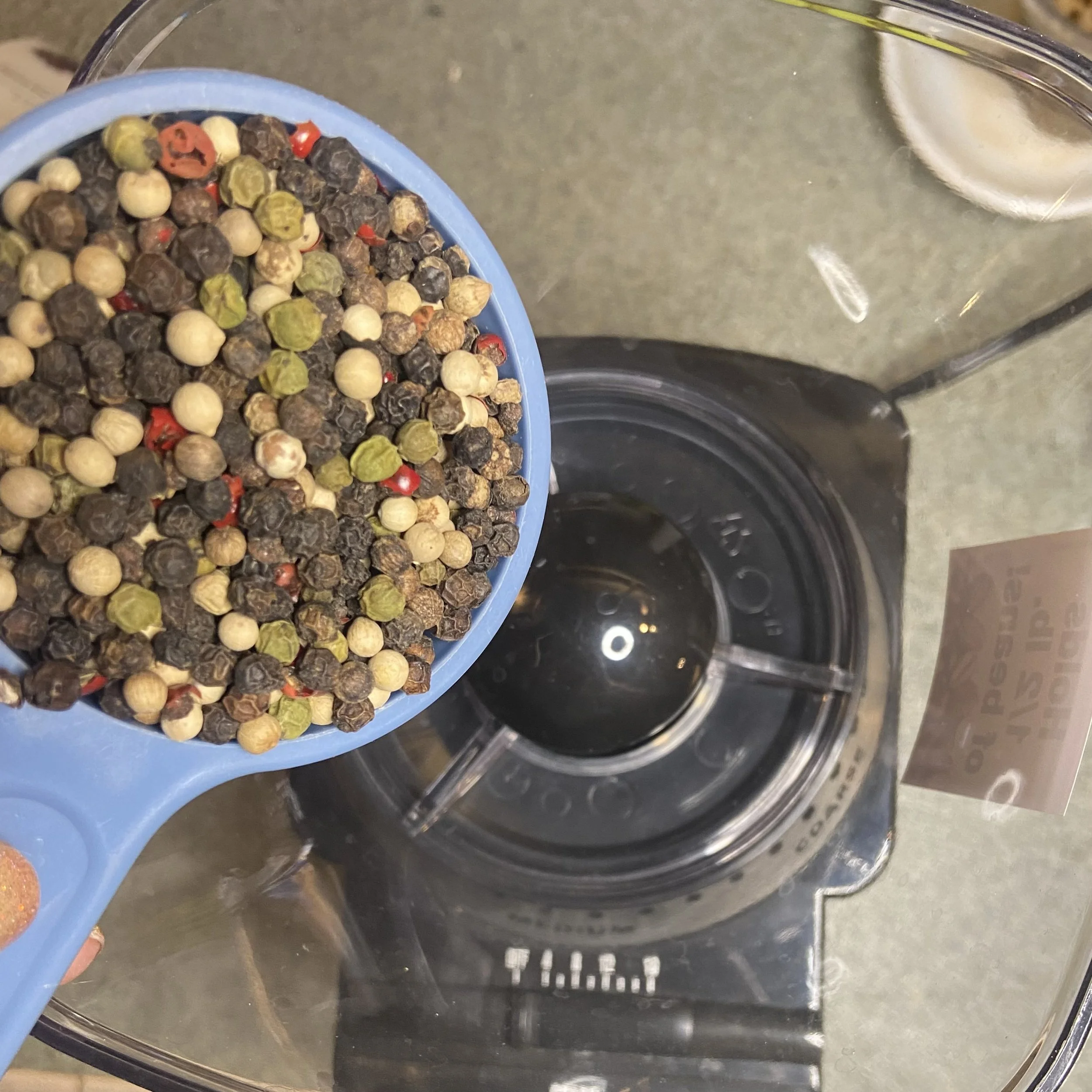
Then you’ll need 1/4 cup of whole peppercorns. Any peppercorns will do, but I’m rather fond of the colorful mix I get in the bulk foods section of a local grocery store. Grind all the peppercorns coarsely. I like my Cuisinart coffee grinder for tasks like this. I hadn’t used it in awhile, and I forgot to check that everything was in place before I turned the grinder on. The lid for the receptacle was loose, and the freshly ground pepper blew right out of it and into my face. There was quite a lot of dramatic staggering around and coughing and sneezing before I could pull myself together. Reminded me of being maced (yes, that happened, and no, I don’t want to talk about it). Anyway. Once the pepper is all ground up, you’re ready to prep the beef.
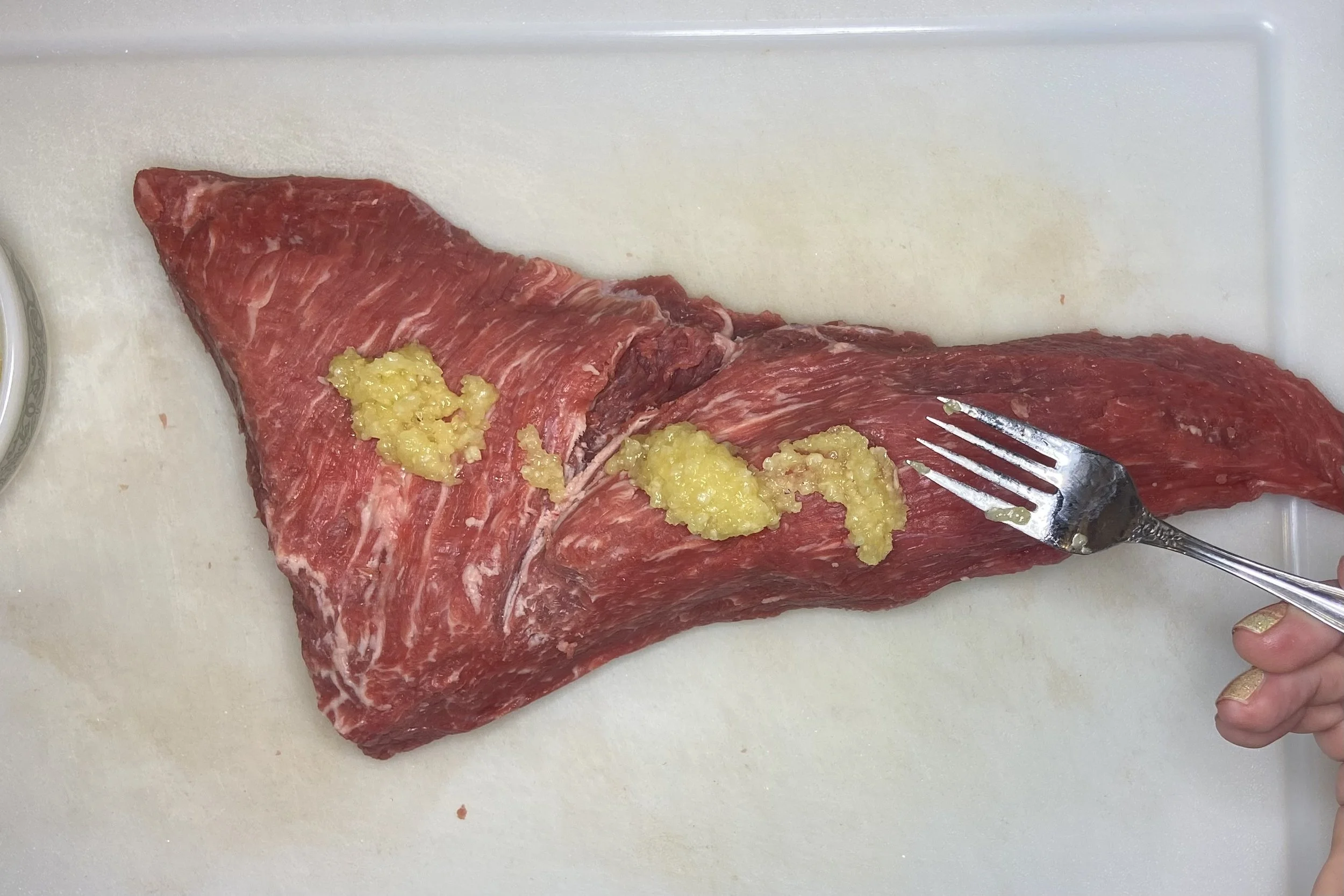
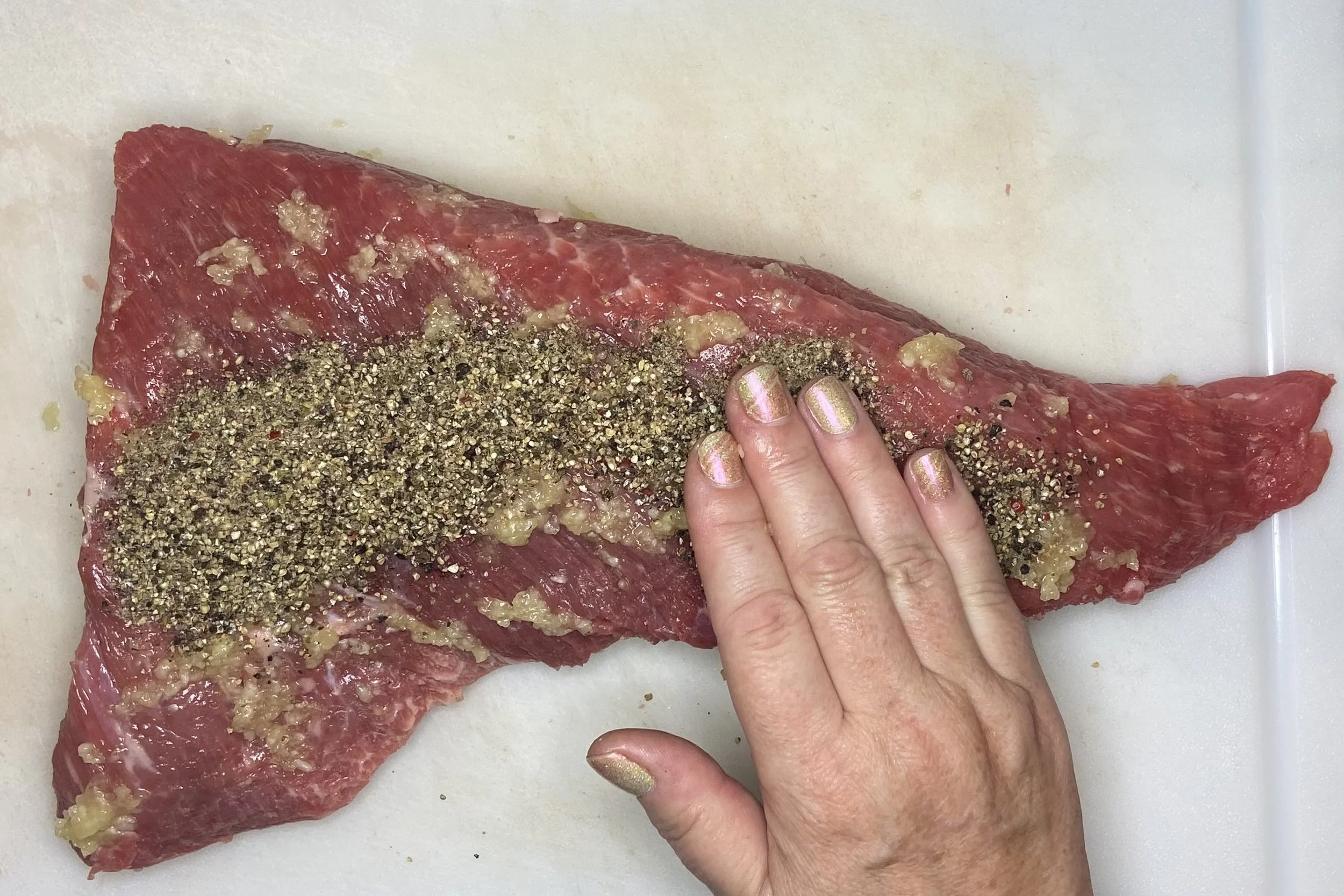
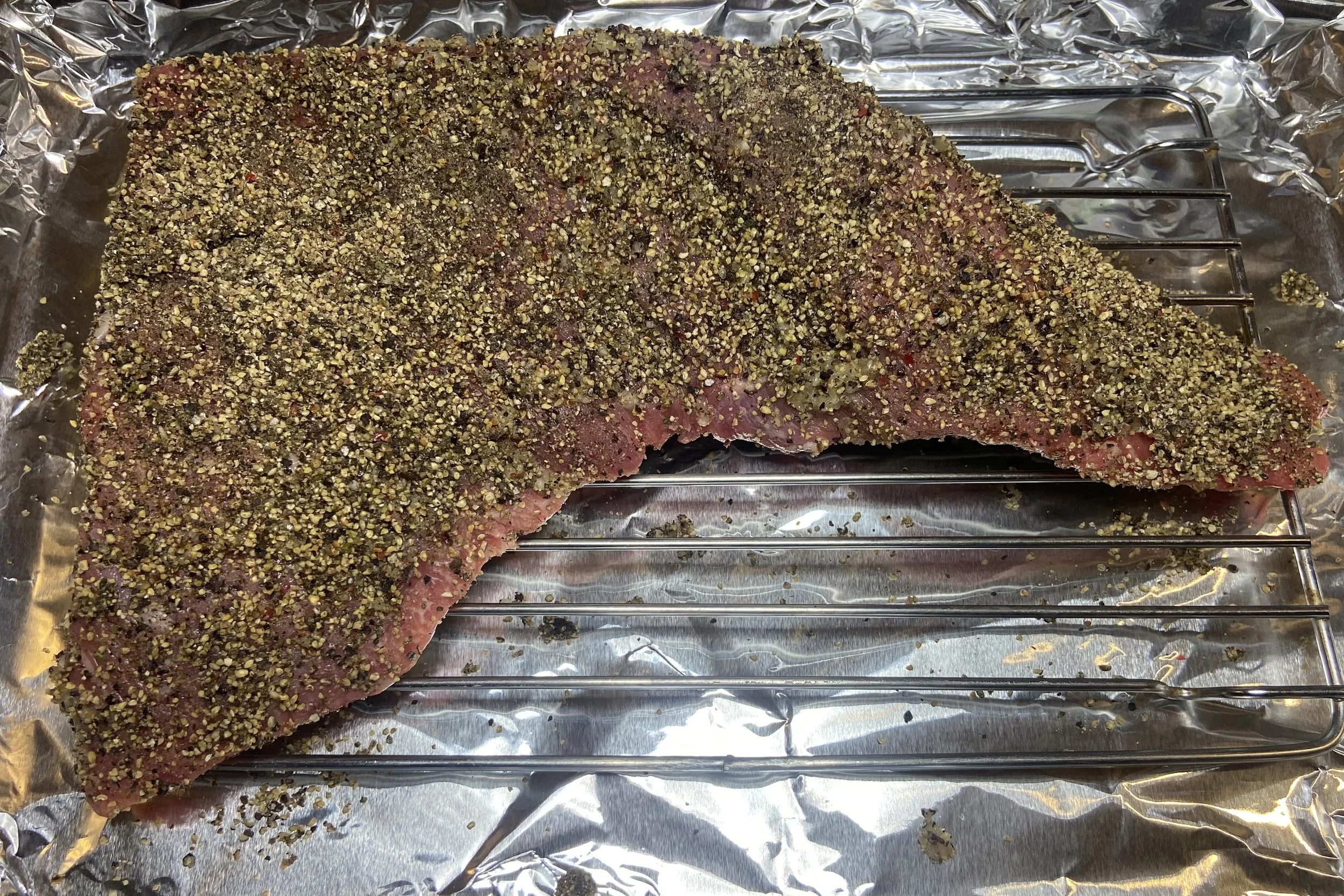
First, smear the garlic paste all over the beef. Then follow with the ground pepper, pressing it into the meat as best you can. Once the beef is coated, move it to a baking rack set in a rimmed baking sheet. If you love easy cleanup, line the baking sheet with foil before you do this. Then set the whole shebang into the fridge uncovered for 12-24 hours. Yes, uncovered. This will dehydrate your beef a little bit, which will concentrate the flavor. Trust me!
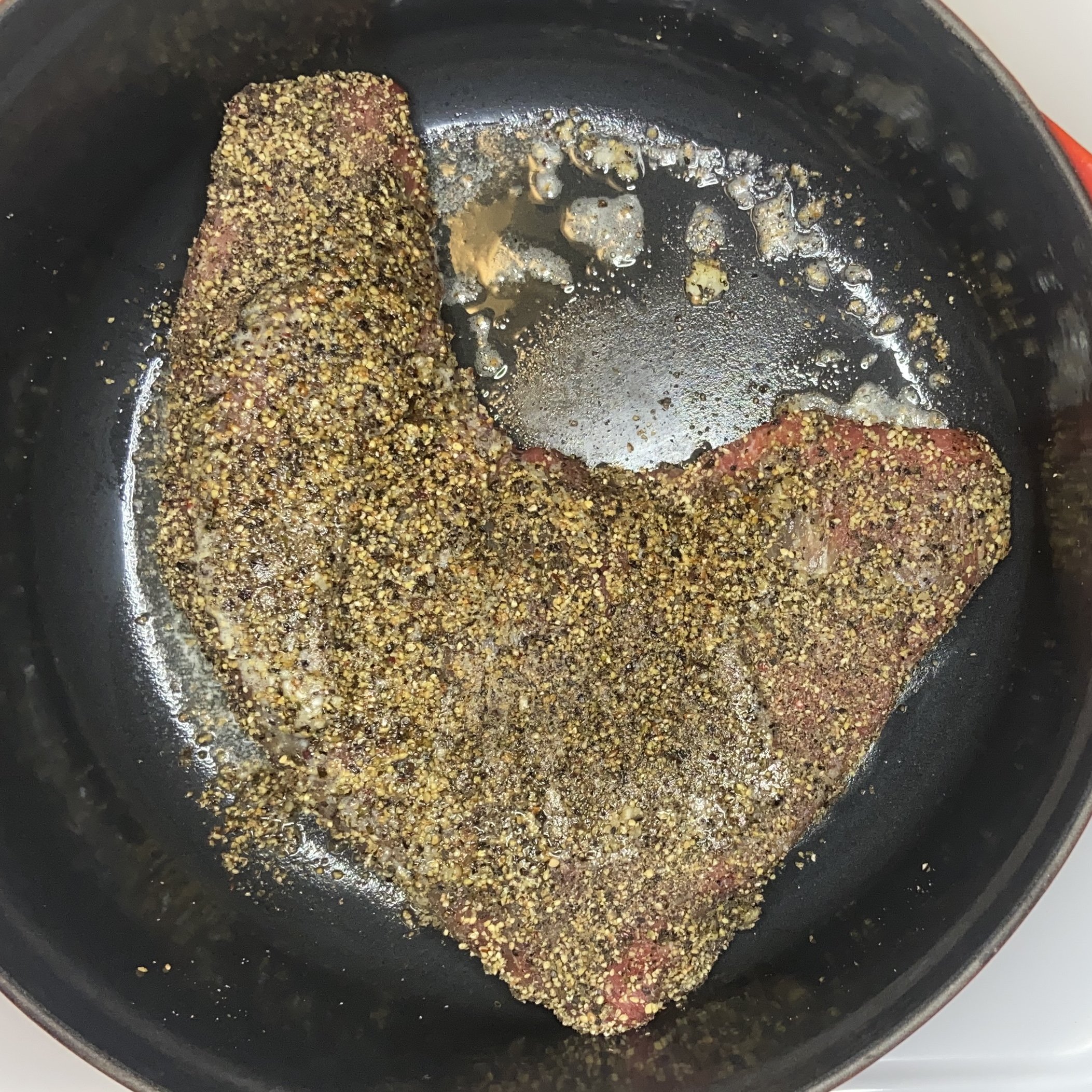
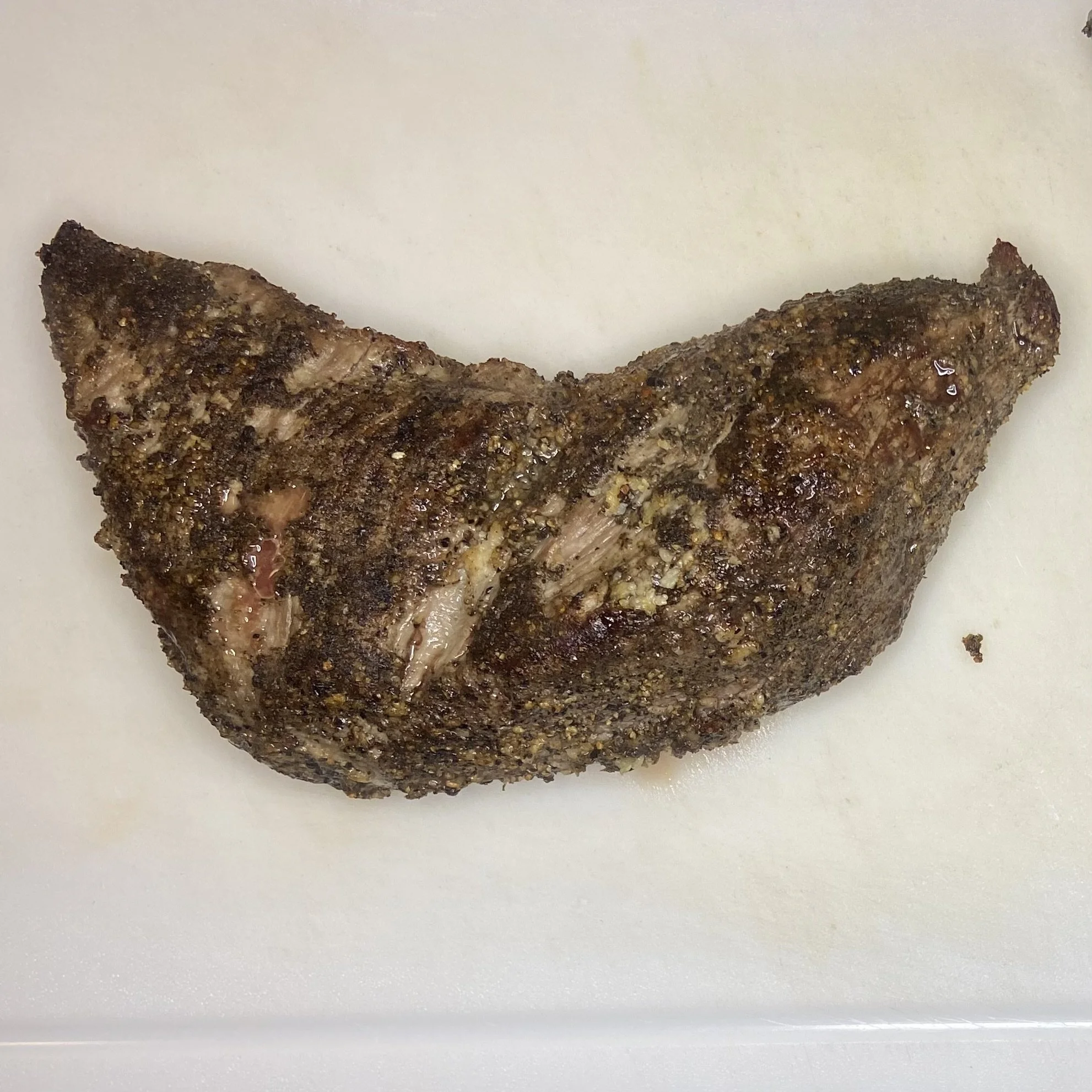
When you’re ready to start cooking, take your meat out of the fridge and let it sit at room temperature for an hour. Then melt butter in a dutch oven (or some other large heavy-bottomed pan that can go in the oven). While the butter is melting, salt your meat again on both sides. Then set the meat in the melted butter so that both sides are coated in butter, and stick the dutch oven into a hot oven. You’ll bake the meat at high temp for about 15 minutes, then turn it over in the pan and bake a bit longer at a lower temp. You’ll be done when a meat thermometer inserted into the thickest part of the roast reads 125-135 degrees. Remove the meat to a cutting board and cover it with a tent of foil. Let it rest while you make the gravy.
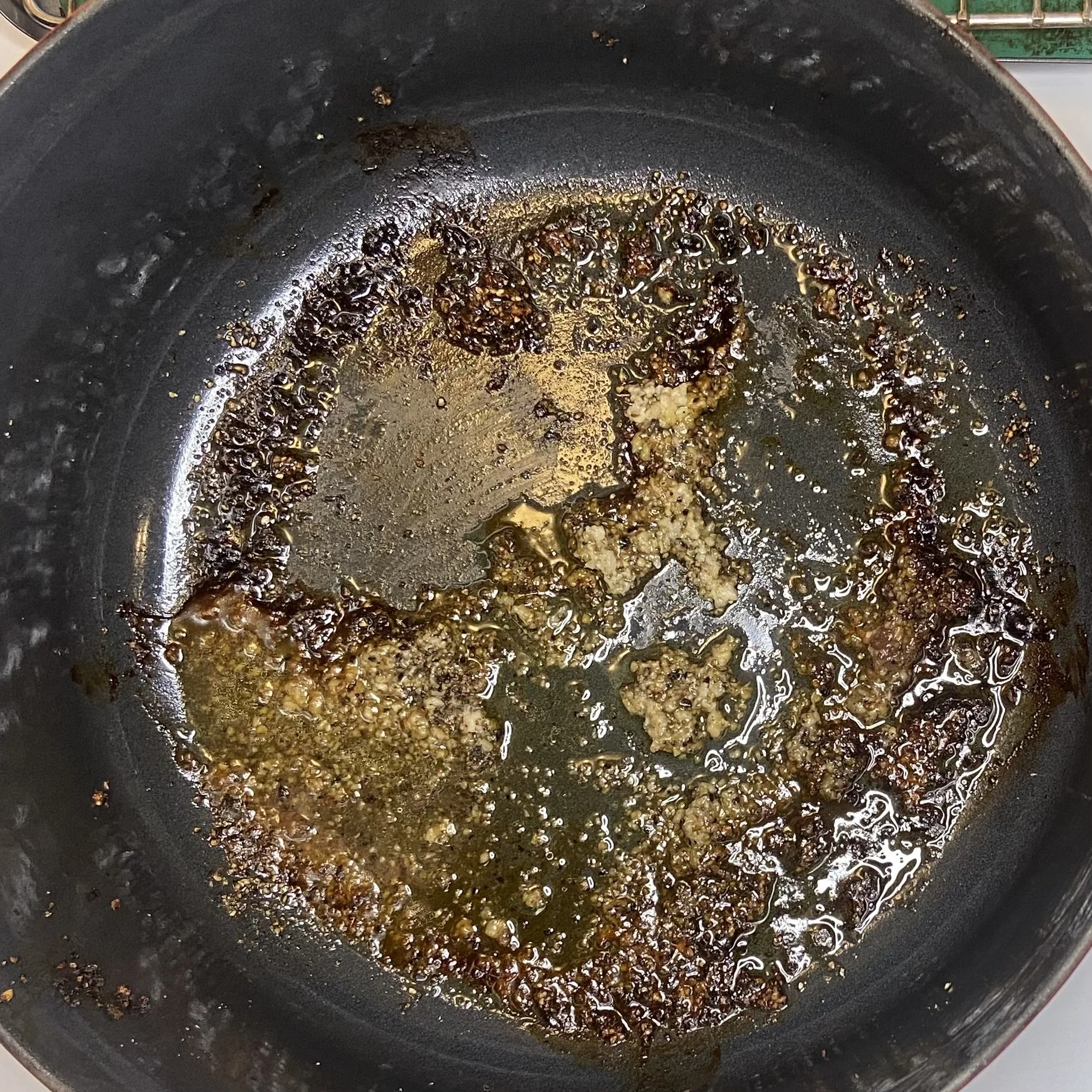
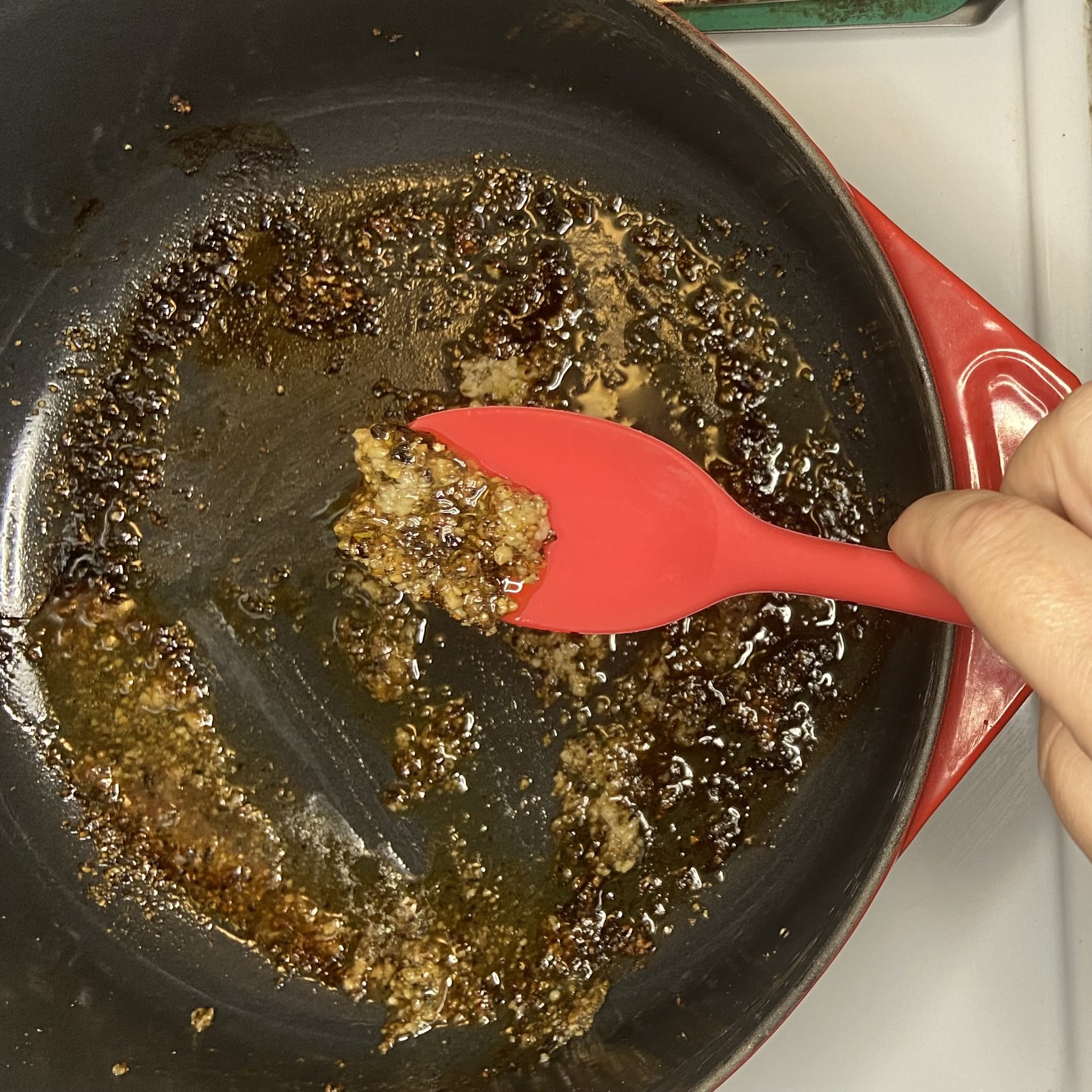
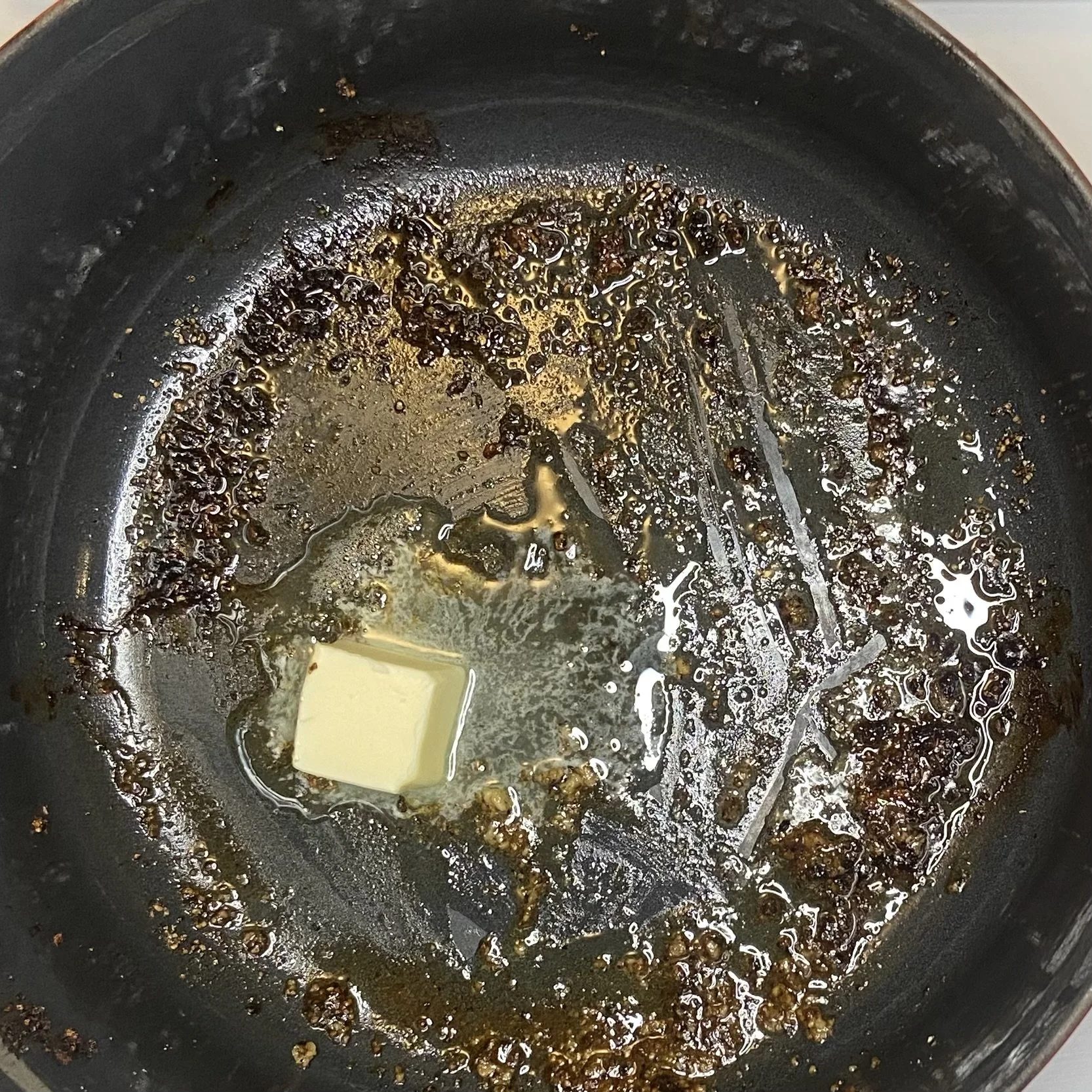
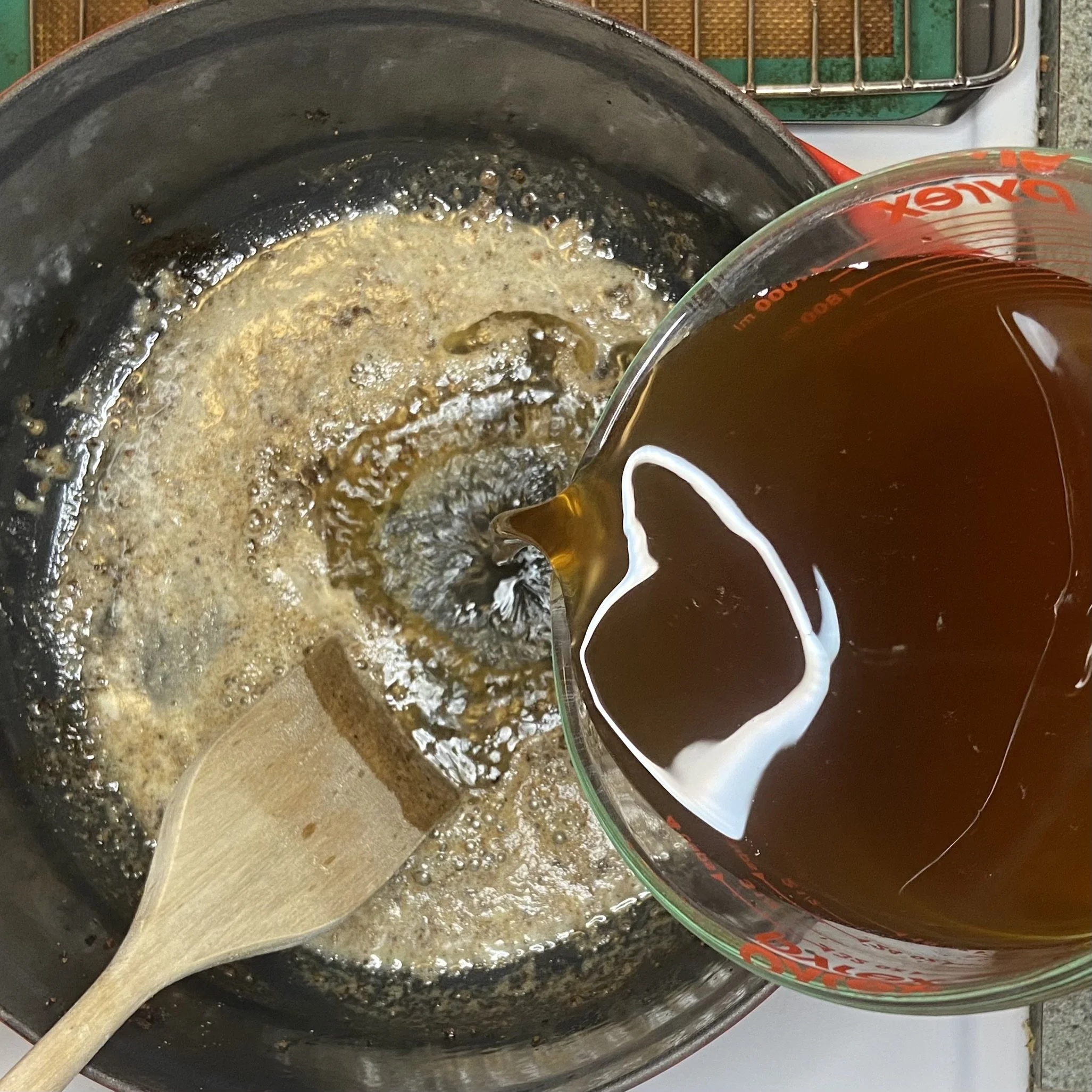
Back to the dutch oven, which will have some fat in it, some burned bits on the bottom, and quite a lot of loose garlic and pepper. You don’t have to do this, but I like to scoop out the loose bits and discard them. There will be plenty of flavor left, and removing some of that extra pepper makes the gravy easier on the palate. Once the chunks are removed, add in a couple tablespoons of butter (unless you already have that much fat left over from the meat, which is unlikely), melt it, and then stir in some flour. Pour in your low sodium beef broth and then bring it to a boil and reduce, stirring regularly, until the gravy is the desired thickness. Right before you’re done cooking, taste and add any salt needed, then add in a little balsamic vinegar.
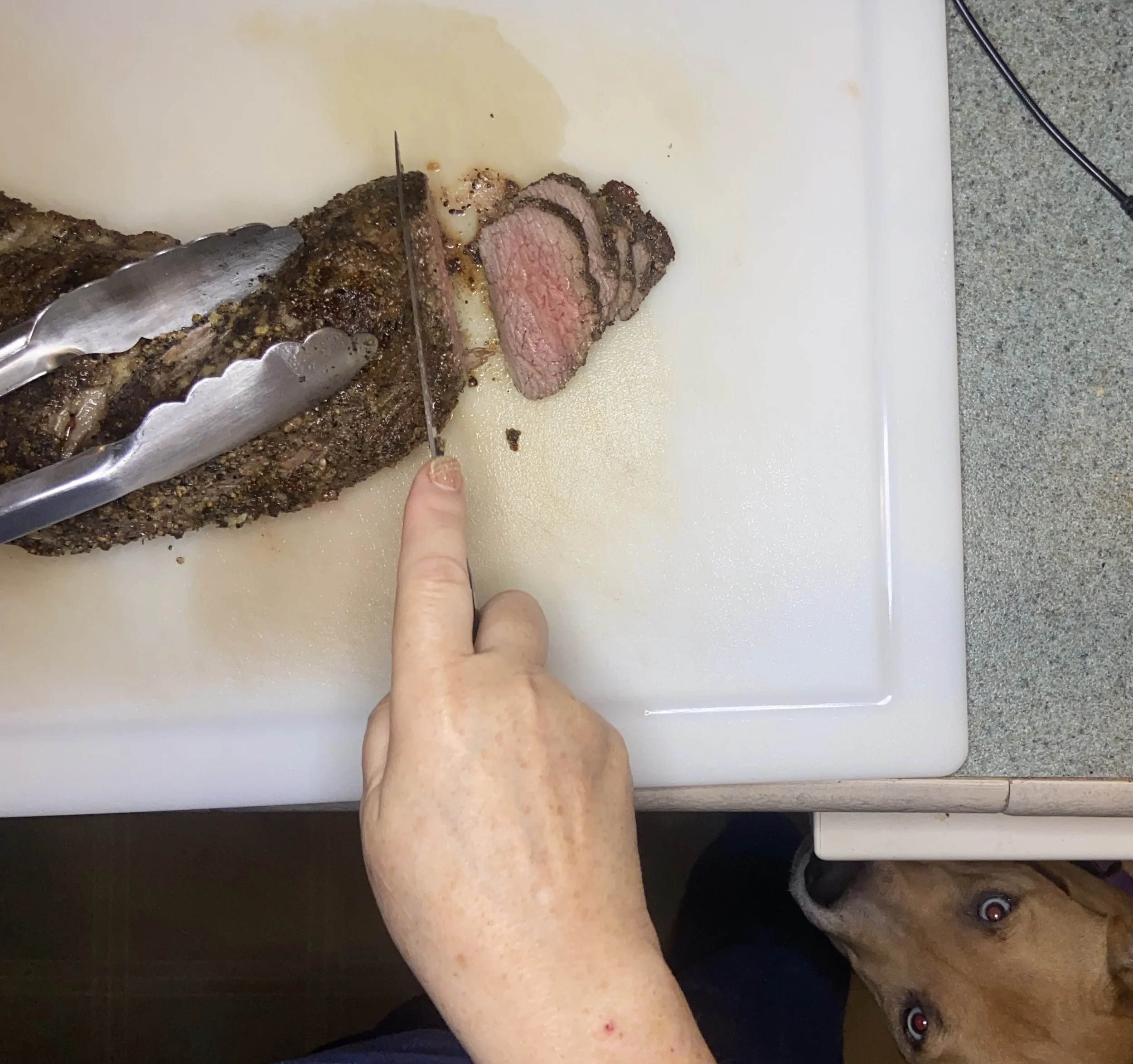
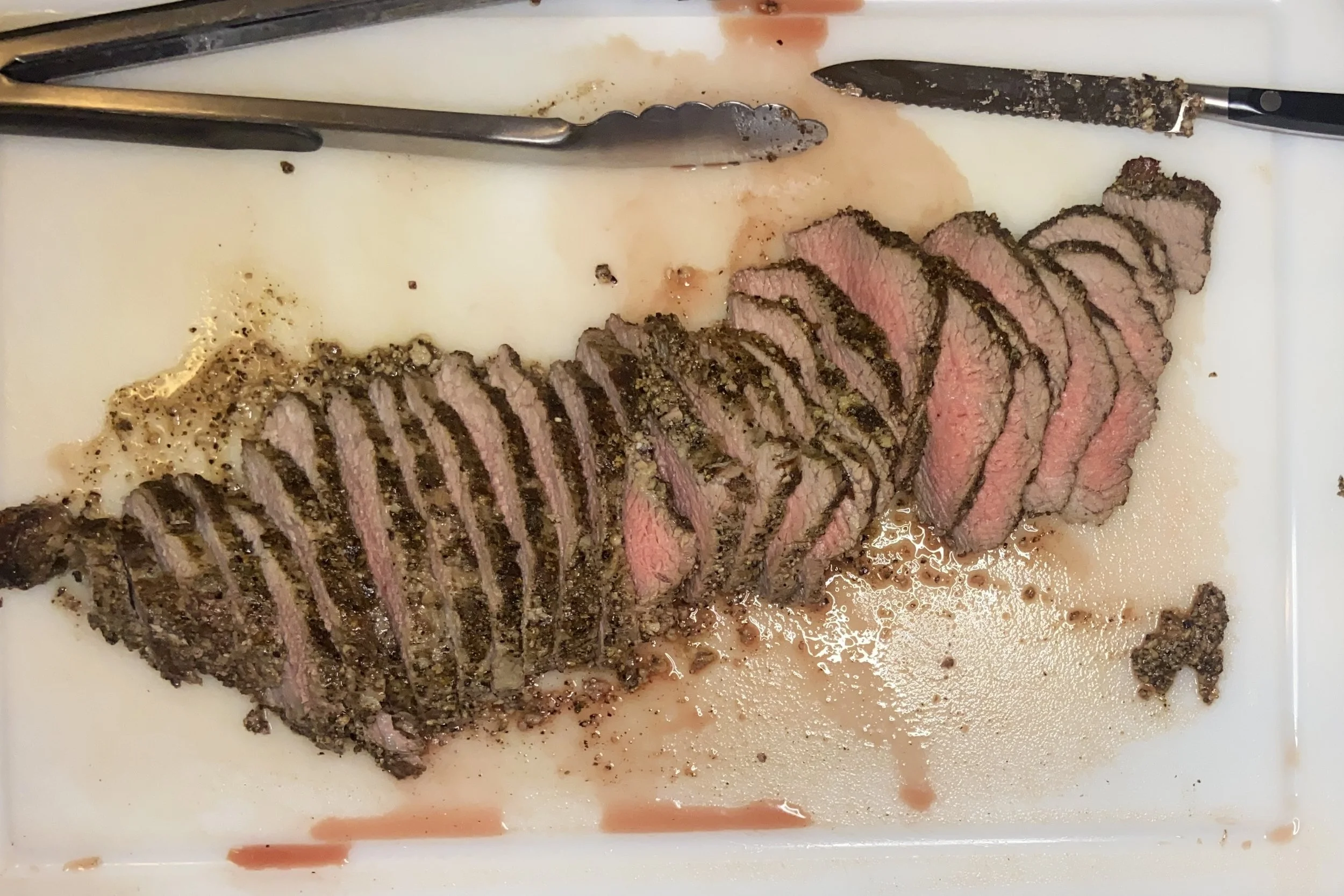
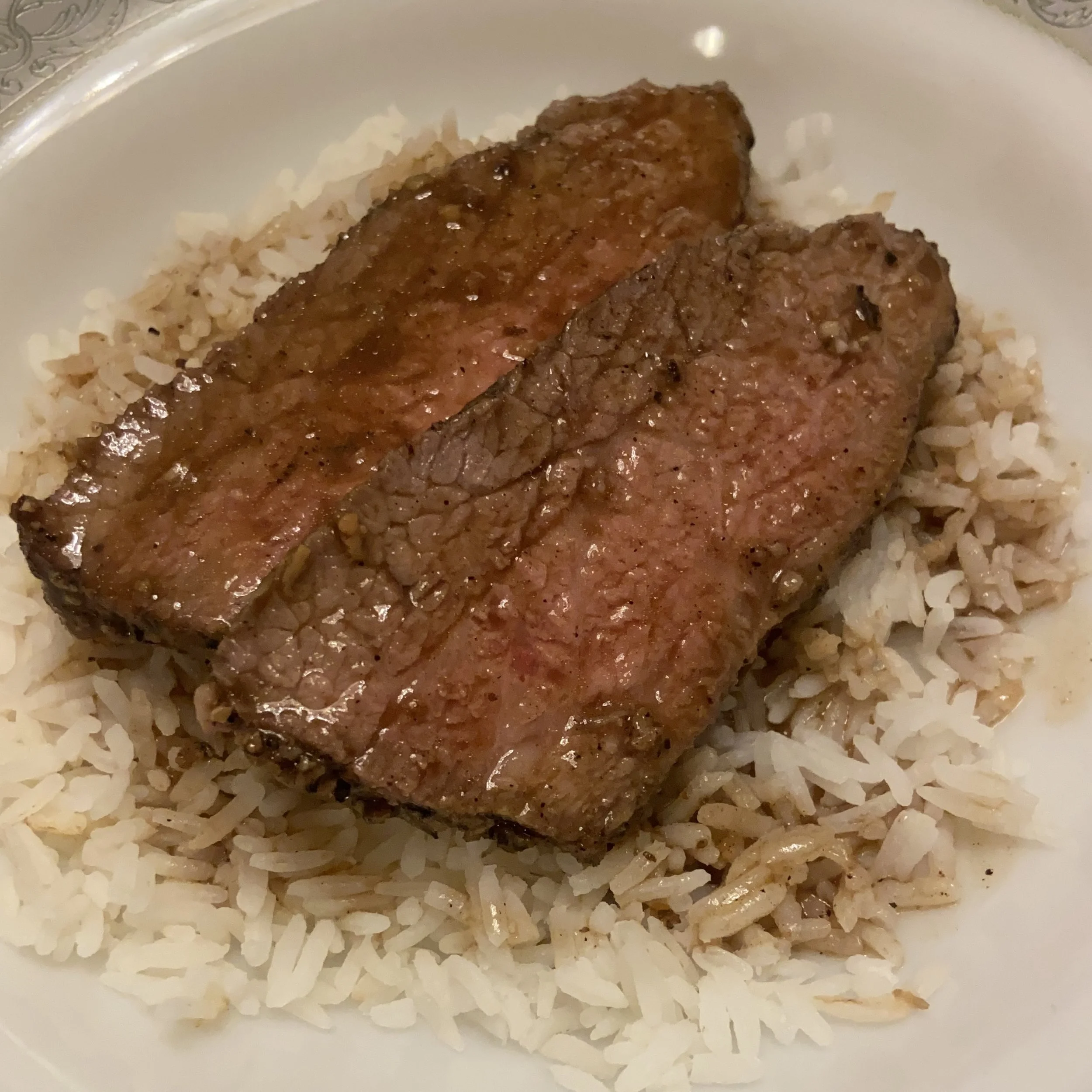
Thinly slice the meat across the grain, and serve with the gravy. Since the roast is not uniformly thick, you’ll find that you have some well-done slices, and some rare slices. Something for everyone. For the blog, I chose to serve it over rice, which is delicious. But it’s also very good served over mashed potatoes or just by itself. I hope you’ll give this a try, whether for Christmas or any other occasion or maybe just because.
For the roast:
3 lb beef tri tip roast, well-trimmed
1 large head of garlic (at least 10 cloves), pressed
1 Tbsp olive oil
salt
1/4 cup peppercorns, coarsely ground
2 Tbsp butter
For the pan sauce:
butter
2 Tbsp flour
3 cups low sodium beef broth
1 Tbsp balsamic vinegar
salt
DIRECTIONS
For the roast:
24 hours before serving, trim the roast to remove all silver skin, connective tissue, and most visible fat on the outside. Generously salt the trimmed roast.
Combine the pressed garlic, a pinch of salt, and Tbsp of olive oil to make a paste. Smear the paste on all sides of the roast, and then press on the ground pepper on all sides, so that it adheres. Place the roast on a rack set in a rimmed baking sheet; let sit in the refrigerator uncovered for 12-24 hours.
Prior to roasting, let the meat sit out at room temperature for one hour. Preheat oven to 450° . In a dutch oven, melt the 2 Tbsp butter and then turn off the burner. Salt both sides of the roast again, and set it in the melted butter so that it coats both sides. Then place the dutch oven in the oven for 15 minutes. After 15 minutes, remove the dutch oven, reduce the oven heat to 200° F, turn the roast over, and return to the oven until the internal temperature reaches 125-130° in the thickest part of the roast, somewhere between 5 and 15 minutes. Remove the toast to a cutting board, build it a little tent of foil, and let it rest for at least 15 minutes, while making the pan gravy.
For the pan gravy:
Set the now-empty dutch oven over medium-high heat on the stove. If there isn't at least 2 Tbsp of fat from the roast in the bottom of the pan, add enough butter to make up the difference. Add the 2 Tbsp flour to the fat and stir to deglaze the bottom. Then add the 3 cups beef broth and bring to a boil, stirring, until mixture has reduced and thickened to desired consistency. Taste and add salt if necessary. In the last minute of cooking, add the T of balsamic vinegar.
Slice the roast across the grain and serve with the pan gravy.